Do-It-Yourself Epoxy Floor Finish: Tips and Tricks for a Perfect Finish


Whether you're seeking to update your area using a durable plus visually appealing finish, epoxy surfacing could be a ideal solution. If you are thinking about epoxy for garage floors for a smooth professional finish or epoxy for basement floors to elevate the atmosphere in your subterranean haven, home-built epoxy floors offer a stunning combination of aesthetics and practicality. Not just do they give a gleaming finish, but they also importantly withstand heavy foot traffic, liquids, plus normal usage, allowing them appropriate for multiple uses.
Numerous homeowners are turning to epoxy surfacing because of their versatility and easy upkeep. By preparing suitable approach, one can achieve an impeccable result comparable to professionally installed solutions. In the following text, we'll provide essential tips and tricks to guide your the task, making sure that your epoxy project is successful from the beginning until the end. Whether you're a seasoned DIY enthusiast or if you're a newbie home upgrader, these tips will guide you to build beautiful epoxy surfaces to elevate the area.
Choosing the Appropriate Epoxy
As you choose epoxy flooring, the primary step is to grasp the diverse kinds accessible on the market. There are primarily two types: 100 percent solid epoxy and aqueous epoxy. Pure epoxy is well-known for its long-lasting nature and robustness, making it an outstanding choice for heavily-used areas such as garages. Conversely, water-based epoxy is simpler to install and has reduced levels of VOCs, but it may not offer the comparable resilience as its solid alternative.
Consider the particular needs of your area when selecting your epoxy. For instance, if you are intending to cover a garage floor, you will want a formulation that can endure harsh wear and tear, heat, and maybe spills from autos. On the other hand, if your project involves cellar epoxy flooring, moisture resistance becomes crucial. Look for products uniquely designed for these conditions to ensure long-lasting results.
Another important factor to consider is the visual appeal of the epoxy. Epoxy flooring comes in diverse hues and textures, allowing you to personalize the look of your area. You could opt for a shiny finish for a modern appearance or choose a decorative flake system to add texture and depth. Assess your aesthetic preferences together with the functional requirements to find an epoxy that meets both your aesthetic and functional needs.
Preparation of the Surface
Proper substrate prepping is crucial for achieving a smooth epoxy floor result. Prior to putting down any kind of epoxy resin, the area must be clean, dried, and clear of impurities like oil, grease, or dirt. Begin by carefully cleaning the region with a solvent and a stiff brush. For garage floor epoxy, it’s particularly crucial to get rid of any stains and leftovers, as these can influence the bond and lead to flaking or bubbling.
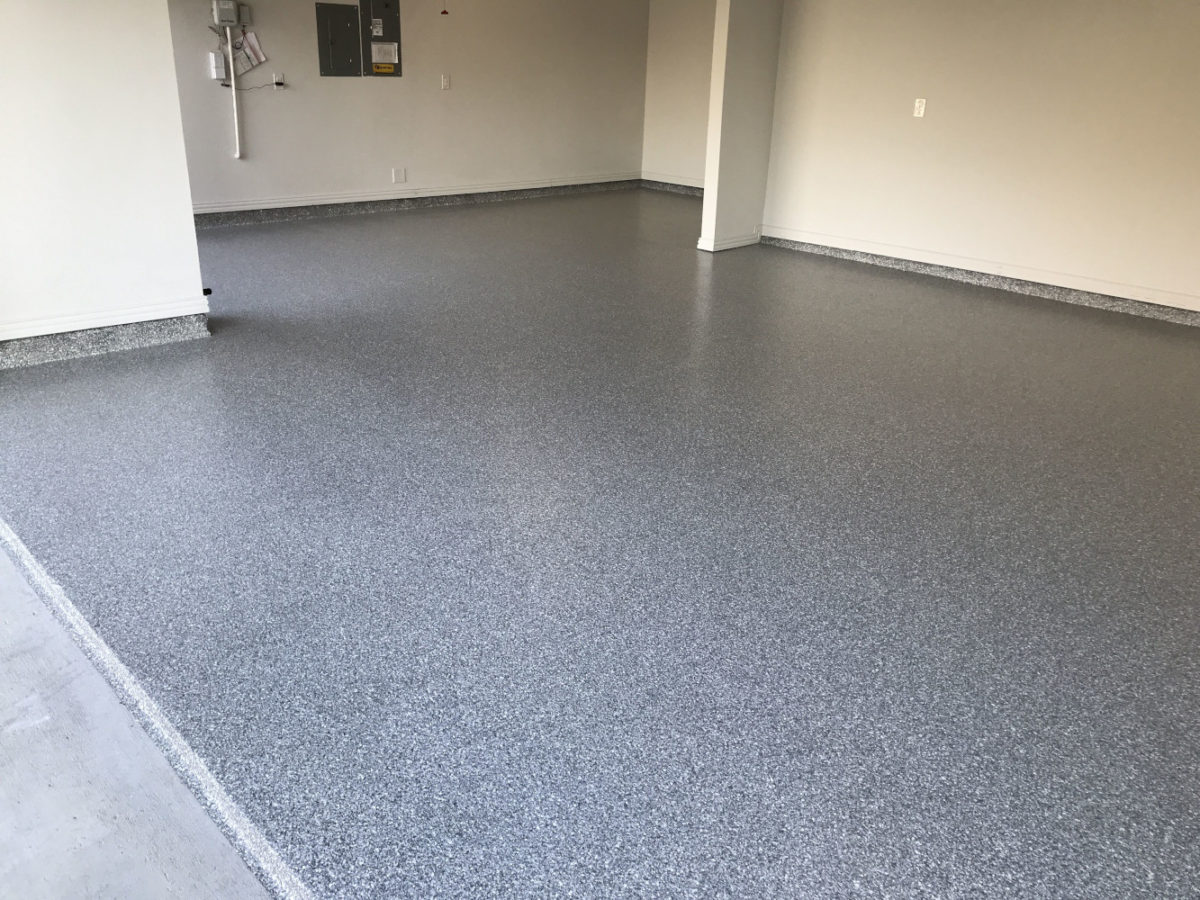
Next, take into account the texture of the surface. If you are placing the resin over a level concrete floor, it may be essential to etch the surface to form a better bond. This can be done with a sander or sandpaper. For basement epoxy flooring, ensure that there are no fissures or holes; imperfections should be filled with a repair product and allowed to cure completely before proceeding.
Finally, allow the surface to dry completely after cleaning and etching. Moisture can hinder the epoxy from adhering effectively, leading to an uneven finish. Epoxy floor before and after, is advisable to conduct a humidity test, especially in underground areas, to confirm that the surface is adequately prepared for the epoxy application. By following these steps will help guarantee a durable and appealing epoxy floor.
Application Techniques
While putting down epoxy flooring, preparation is key. Start by ensuring that the area is clean, dry, and free of any debris. This might involve dusting, vacuuming, and potentially applying a cleaning solution for garages or basements where spills may have happened. After cleaning, check the floor for flaws or blemishes that require repairs before the epoxy can be installed. A flat, even surface enables improved adhesion and a more pleasing finish.
Next, think about the technique you will employ. Paint rollers and squeegees are frequently used tools for applying epoxy, with paint rollers providing a consistent finish and scrapers helping to cover larger areas quickly. Should you be working in small spaces, a brush can help you access corners and edges with precision. It is recommended to divide the work into sections and keep a moist edge to avoid uneven spots, ensuring a uniform appearance throughout the entire area. Always follow the manufacturer’s recommendations for mixing and applying the epoxy.
In conclusion, either for epoxy garage floors or basement epoxy flooring, timing is crucial. Determine the optimal temperature and humidity levels for application to avoid issues such as blistering or inadequate curing. After laying down the epoxy, allow it sufficient time to cure fully before walking on it or replacing furniture in the space. Patience during this process will lead to a sleek and durable finish that enhances the overall aesthetic of your flooring.
Curing and Sealing
Curing is a important step in the process of applying epoxy flooring. It involves the chemical reaction that happens as the compound hardens and strengthens. Generally, the curing time can differ based on the product used, environmental conditions, and the thickness of the layer. It's important to follow the manufacturer's instructions regarding hardening periods to ensure a proper finish. Be mindful of temperature and moisture, as these elements can impact the curing process significantly.
Once the epoxy has cured to its suggested firmness, it's time for the finishing touches. Inspect the surface for any flaws or bubbles that may have formed during the process. Lightly grinding the surface with fine-grit sandpaper can help refine any imperfections. After sanding, wash the floor thoroughly to remove dust and debris before putting on a top coat, if desired. This process can improve durability and add a shiny finish.
Finally, after sanding and cleaning, it’s time to put on a top coat or top coat if you want to enhance the look of your epoxy floors. Showroom floor coating, can provide an extra layer of protection against wear and tear, making it perfect for busy areas such as garage floor epoxy and basement epoxy flooring. Ensure that the previous coat has completely cured before layering additional finishes, as this will stop the creation of blemishes and maintain the integrity of your newly installed epoxy flooring.
Care Advice
To guarantee your epoxy flooring stays in pristine condition, regular cleaning is crucial. A straightforward routine of brooming or vacuuming the floor to clear dust and debris will help maintain its shine. For stubborn stains or spills, use a moistened mop with a gentle pH-balanced cleaner. Avoid using harsh chemicals or abrasive scrubbers, as these can harm the epoxy surface.
Examine your garage floor epoxy regularly for signs of wear or damage, especially in busy areas. If you notice any scratches or chips, addressing these promptly can prevent further damage. Consider applying a fresh topcoat every few years to keep the surface looking fresh and vibrant, especially in a garage or basement environment where wear and tear may be greater.
Shielding your epoxy floors from significant impacts and sharp objects will also add to their longevity. Consider placing mats in areas where bulky items are routinely shifted, and be careful when using tools or equipment. By taking these simple precautions, you can enjoy the aesthetic appeal and durability of your basement epoxy flooring for an extended period to come.